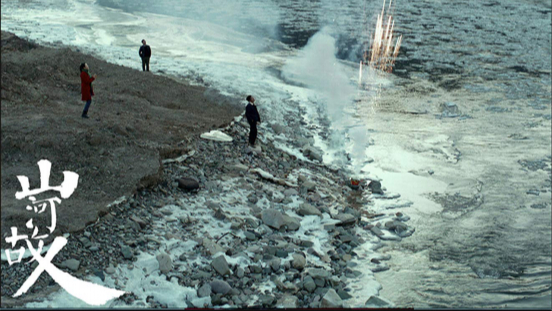
Mountains May Depart (Film)
Overview
Mountains May Depart is a 2015 drama film directed by Jia Zhangke, a prominent figure among China's Sixth Generation filmmakers. Known for his socially conscious narratives, Jia explores the complex interplay of personal and national history through the lens of his characters. The film has received a rating of 6.8 out of 10 on IMDb, indicating a generally favorable reception among audiences. Jia Zhangke's works often delve into themes of transformation and loss, reflecting the rapid changes within Chinese society.
Plot and Structure
The narrative of Mountains May Depart is structured around three distinct time periods: 1999, 2014, and 2025. The first two segments are set in China and focus on a character portrayed by Zhao Tao, Jia’s muse and wife. These segments explore the social and economic transformations occurring in China at the time, reflecting the personal implications of broader societal shifts. In the third segment, the story transitions to Australia, where Zhao’s character plays a less central role. This shift explores the disconnection and alienation experienced by Chinese expatriates in a foreign land, a theme that resonates with contemporary global migration patterns.
Setting and Cultural Context
The film's Chinese segments are deeply rooted in the Shanxi province, an area with a rich cultural heritage and numerous historical sites dating back to the Ming and Qing dynasties. Shanxi is also renowned for its abundant hot springs, providing a vivid backdrop that enhances the film's exploration of cultural and economic development. The transition to Australia in the latter part of the film underscores the cultural dissonance and identity struggles faced by Chinese individuals abroad, further enriching the narrative’s exploration of global interconnectedness.
Thematic Exploration
Mountains May Depart expertly weaves personal and collective themes, portraying the impact of economic progress on personal relationships and identity. Through its time-spanning narrative, the film examines the persistent longing for connection amidst the inevitability of change. The juxtaposition of life in China and Australia offers a poignant commentary on the universality of these themes, challenging audiences to consider the costs and benefits of progress and globalization.
Reception and Critique
Premiering at the Cannes Film Festival in 2015, Mountains May Depart was met with critical acclaim, further solidifying Jia Zhangke’s reputation as a filmmaker of international significance. Critics have praised the film for its ambitious scope and emotional depth, although some have noted that the transition to the Australian segment may detract from the film’s cohesion. Nonetheless, the film’s exploration of time, memory, and identity has resonated with audiences worldwide, positioning it as a significant work in contemporary cinema.
Jia Zhangke: The Director
Jia Zhangke is celebrated for his ability to capture the essence of Chinese society through a personal lens. Born in Shanxi province, Jia has consistently drawn inspiration from his roots, using the region as a backdrop for many of his films, including Mountains May Depart. His films often employ local actors and dialects to create authentic portrayals of life in China. Jia's career was launched with the success of Xiao Wu (The Pickpocket) at the Berlin International Film Festival in 1998, and he has since become a key figure in the international film community.
Cinematic Style
Jia Zhangke’s filmmaking style is characterized by its realism and attention to detail. He often employs long takes and static camera movements to create an immersive experience. This approach allows viewers to engage deeply with the film’s characters and settings, fostering a sense of intimacy and reflection. In Mountains May Depart, Jia’s stylistic choices underscore the emotional gravity of the narrative, inviting audiences to ponder the passage of time and its impact on human relationships.
Cultural Impact
Mountains May Depart has contributed significantly to the global understanding of contemporary Chinese cinema, highlighting the nuanced narratives emerging from China’s rapidly changing society. Jia Zhangke’s work provides a valuable lens through which international audiences can engage with Chinese culture, history, and the universal human experience. Through its exploration of personal and collective identity, Mountains May Depart serves as a cultural bridge, fostering dialogue and empathy across borders. Article reference1. Cultural treasure emerges from backwaters. chinadaily.com.cn. 20212. Mountains May Depart (2015). chinaservicesinfo.com. 2020Photo Gallery(3 pictures)CategoriesArtsTagFilm and TVCatalogue1. Overview2. Plot and Structure3. Setting and Cultural Context4. Thematic Exploration5. Reception and Critique6. Jia Zhangke: The Director7. Cinematic Style8. Cultural Impact- - - []








